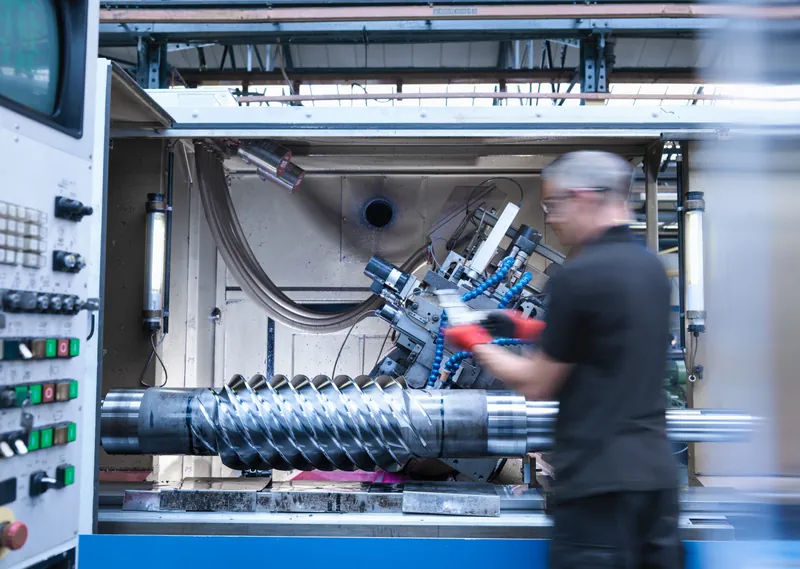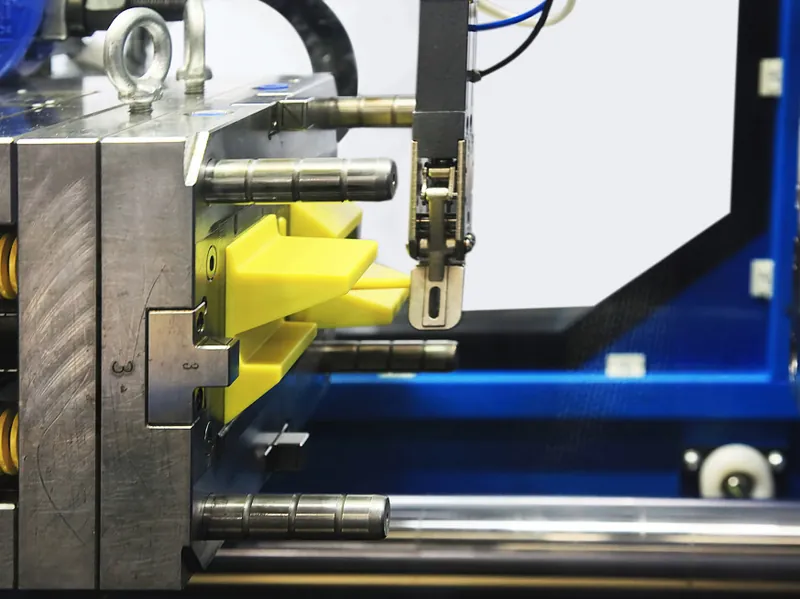
Injection moulding is one of the most widely used manufacturing processes for producing plastic parts with exceptional precision and repeatability. From automotive components to medical devices and consumer products, this method is the backbone of modern plastic production. In this article, we’ll explore the techniques behind injection moulding, its benefits and how it’s applied across industries in the UK.
What Is Injection Moulding?
Injection moulding is a manufacturing process where molten plastic is injected into a preshaped mould cavity, allowed to cool and then ejected as a solid part. It’s a high volume production method capable of producing thousands or even millions of identical components with remarkable accuracy.
The process typically uses thermoplastic materials such as polypropylene, ABS, nylon or polycarbonate. These plastics soften when heated and harden upon cooling, allowing them to be reshaped repeatedly without significant degradation.
To gain a deeper understanding of how the process unfolds, you can learn more about the stages of injection moulding.
The Injection Moulding Process
Although the machinery used can vary in complexity, most injection moulding systems operate on the same four key steps of melting, injecting, cooling and ejection.
- Melting the Material. Plastic granules are fed into a heated barrel, where they are melted by a combination of heat and mechanical pressure.
- Injecting the Melt. The molten plastic is then injected under high pressure into a steel or aluminium mould cavity.
- Cooling and Solidifying. Once the mould is filled, the plastic cools and solidifies into the desired shape.
- Ejection. The mould opens, and ejector pins push the finished part out, ready for inspection and finishing.
Each of these steps must be carefully controlled. Temperature, pressure and cooling time all play a major role in achieving consistent, defect free parts. Small variations in any of these parameters can lead to imperfections such as warping, sink marks or incomplete fills.
Advanced Techniques in Injection Moulding
Modern injection moulding has evolved to include a range of specialised techniques that enhance performance, appearance or production efficiency. Some of the most common include
- Overmoulding. Involves moulding one material over another to create multilayered or multitextured components, such as rubber grips on a plastic handle.
- Insert Moulding. Embeds metal or other materials into the plastic during the moulding process, creating stronger composite parts.
- Gas Assisted Moulding. Injects gas into the molten plastic to form hollow sections, reducing weight and material use.
- Micro Moulding. Produces extremely small, detailed components for industries like medical and electronics.
- Two Shot Moulding. Combines two different materials or colours in a single moulding cycle for added functionality or aesthetics.
These advanced techniques allow manufacturers to achieve designs that are lighter, stronger or more visually appealing while maintaining the precision that injection moulding is known for.
Benefits of Injection Moulding
The popularity of injection moulding lies in its versatility and efficiency. Some of its most notable benefits include
- High Repeatability. Ideal for large production runs with tight tolerances.
- Design Flexibility. Complex geometries and fine details can be replicated consistently.
- Material Efficiency. Minimal waste, as excess plastic can often be reground and reused.
- Cost Effectiveness. Once tooling is complete, each part can be produced quickly and inexpensively.
- Enhanced Strength and Quality. Controlled cooling and uniform pressure ensure structural integrity.
- Automation Compatibility. Moulding machines can run continuously with minimal human intervention.
These benefits make injection moulding a top choice for both mass production and high quality component manufacturing.
Injection Moulding in the UK
In the UK, injection moulding plays a crucial role in industries ranging from automotive and aerospace to packaging and medical devices. British manufacturers have adopted advanced moulding technologies to increase efficiency, reduce waste and support sustainability goals.
Local companies often specialise in rapid prototyping, allowing clients to move quickly from concept to production. Automation and robotics are also widely used to maintain competitiveness and precision. Furthermore, the UK’s commitment to sustainable production means more firms are experimenting with biodegradable polymers and recycled plastics, helping reduce environmental impact.
Final Thoughts
Injection moulding remains one of the most efficient and versatile methods of manufacturing plastic components. With modern innovations such as overmoulding, micro moulding and gas assisted processes, it continues to evolve to meet the demands of high performance industries.
Whether producing small medical parts or large industrial components, the process offers unmatched accuracy, speed and repeatability. To gain deeper insight into the detailed stages of this technique, learn more about the stages of injection moulding.